
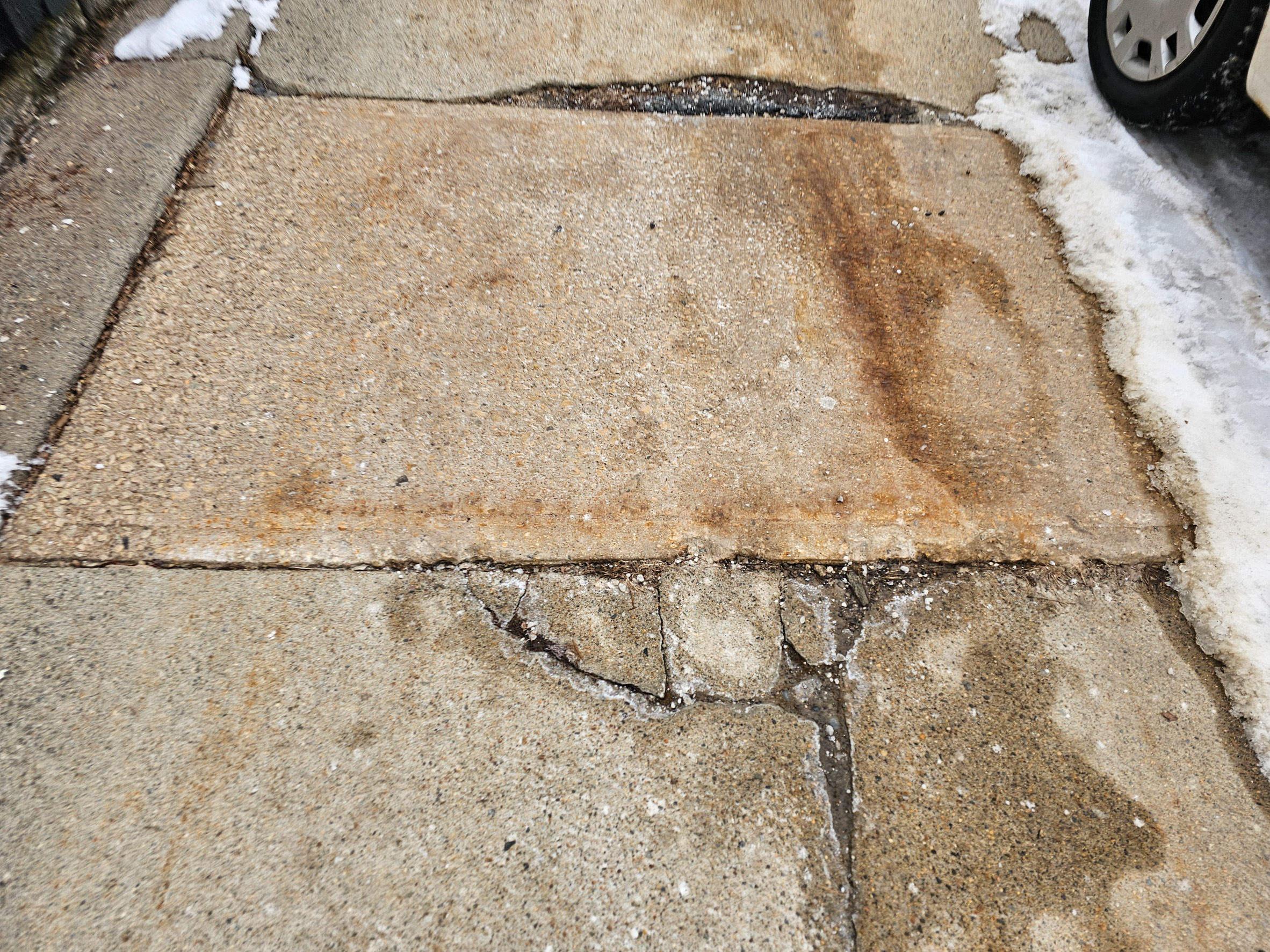
Concrete is one of the most reliable materials for driveways, patios, walkways, and commercial surfaces. But like all building materials, it can develop cracks over time. Some minor cracking is natural, while other cracks result from installation mistakes, environmental stress, or improper maintenance.
At Angelo Mancuso LLC, we help Pittsburgh homeowners and business owners understand what causes concrete to crack — and how a professional concrete contractor can significantly reduce those risks. With proper planning, site preparation, and curing, you can expect strong and long-lasting results.
Understanding Why Concrete Cracks
Concrete is designed to handle heavy loads, weather variations, and years of use. Even so, it is not completely immune to cracking. As concrete dries, it naturally shrinks, which can lead to small surface cracks. These are often harmless.
Problems arise when cracks form because the mix was incorrect, the sub-base was unstable, or the concrete cured too quickly. External conditions — especially in Western Pennsylvania — also play a significant role. Understanding these factors is the first step in protecting your investment.
Common Causes of Concrete Cracking
Cracks rarely come from a single issue. Instead, they usually result from a combination of installation practices, environmental stress, and long-term material performance. Below are the most frequent causes we see in Pittsburgh.
Improper Mix Design
Concrete requires the right balance of water, cement, and aggregates.
- Too much water weakens the mix and increases shrinkage.
- Too little water prevents proper hydration, leading to a brittle surface.
- Poorly graded aggregates or missing admixtures can also affect strength and durability.
Because each project is different, the mix must be adjusted based on thickness, expected load, and climate.
Poor Curing Practices
Curing ensures concrete gains strength at the correct rate. If concrete dries too quickly — often due to heat, low humidity, or wind — it may develop early cracks. Proper curing involves retaining moisture through the use of coverings, curing compounds, or controlled water application.
Environmental Conditions in Western PA
Pittsburgh’s climate adds stress to concrete surfaces:
- Freeze-thaw cycles cause moisture in the concrete to expand and contract.
- Sudden temperature swings can cause thermal cracking.
- High humidity can interfere with the finishing and curing process.
These conditions make professional planning even more critical.
Structural and Load Issues
Concrete must be designed to handle the expected weight. Driveways that regularly support heavy trucks or commercial equipment require a stronger mix and a thicker slab. Soil movement, settling, or poor compaction beneath the slab can also create cracks, even when the slab itself was placed correctly.
Design and Placement Mistakes
Certain design elements help concrete manage natural shrinkage and movement. Cracks are more likely when:
- Control joints are missing or spaced too far apart.
- The slab is too thin for the intended load.
- The sub-base is not compacted properly.
- Reinforcement, such as wire mesh or rebar, is not placed correctly.
Each of these components plays a critical role in the long-term performance of a concrete surface.
Long-Term Chemical and Corrosion Factors
Over time, concrete can be affected by environmental chemicals and natural reactions:
- De-icing salts, commonly used during Pittsburgh winters, can penetrate concrete and cause internal damage.
- Reinforcing steel corrosion expands and cracks the surrounding concrete.
- Alkali-silica reaction (ASR), although less common, can cause internal swelling and cracking if aggregates react with alkalis in the mix.
How Professional Concrete Installation Minimizes Cracking
Experienced concrete contractors understand how each step of the installation process influences long-term durability. At Angelo Mancuso LLC, we follow a proven approach that minimizes the risk of cracking and supports strong, uniform results.
Comprehensive Site Evaluation and Subgrade Preparation
Each project starts with assessing soil conditions, drainage patterns, and the required load capacity. A stable, compacted sub-base is essential because without it, the slab may shift and crack over time.
Proper Mix Ratios and Reinforcement
We ensure the water-cement ratio, aggregate blend, and admixtures match the project’s needs. Reinforcement materials such as rebar or wire mesh help distribute the loads and reduce stress on the slab.
Expert Placement of Control Joints
Control joints direct natural shrinkage into planned, controlled lines. When joints are spaced and placed properly, they significantly reduce the appearance of random cracks.
Correct Curing Methods for Pittsburgh’s Climate
Because Western PA weather changes quickly, curing is adjusted based on the season. This includes moisture-retaining coverings, curing compounds, or staged watering to help the concrete gain strength gradually and evenly.
Protective Sealants
Applying a high-quality sealer helps shield concrete from moisture, salt, and environmental wear. Sealants are especially beneficial for driveways, sidewalks, and other outdoor surfaces that are exposed to snow and de-icing products.
The Importance of Working with a Local Concrete Contractor
Choosing a Pittsburgh concrete contractor near you provides several advantages. Local contractors are familiar with:
- Regional soil types and drainage challenges
- Freeze-thaw cycles that affect slab design
- Best seasonal timing for concrete driveway installation
- Local building codes and industry standards
With this insight, homeowners and business owners can avoid common concrete installation issues and reduce long-term repair costs.
Looking for outdoor upgrades? Explore our concrete patio installation
services to see how we build durable and attractive patio surfaces that withstand Pittsburgh’s weather.
We also serve surrounding areas — learn more about working with a Concrete Contractor in Baldwin, PA.
Maintaining Your Concrete for Longevity
Even with the best installation, concrete benefits from regular maintenance. Simple steps can help extend its lifespan:
Routine Cleaning
Removing dirt, leaves, and chemicals prevents buildup that can cause surface wear and tear.
Sealing Every Few Years
A quality sealer protects against moisture intrusion, salt exposure, and staining.
Monitoring for Small Cracks
Small cracks can typically be repaired quickly and easily. Addressing them early helps prevent spreading.
Knowing When to Call for Repairs
If you notice uneven settling, large cracks, or surface scaling, it’s best to have a professional determine whether concrete repair or replacement is the most cost-effective solution.
For additional technical guidance, the American Concrete Institute (ACI) offers helpful resources on concrete design and curing methods.
Invest in Quality with Angelo Mancuso LLC
Whether you’re planning concrete driveway installation, a new patio, or a commercial surface, Angelo Mancuso LLC delivers results built on craftsmanship and long-term value. Our team combines technical knowledge, hands-on expertise, and a careful installation process to help Pittsburgh property owners protect their investment.
To schedule a site evaluation or request a quote, contact us today. We’re ready to help you build a concrete surface that performs reliably for years to come.